
When the Bowl Is Still There: Understanding Pet Bereavement
Pet bereavement is completely normal. Losing a pet can hurt just as deeply as losing a person, sometimes even more so. Our pets are part of our daily rhythms, our homes, our sense of safety and comfort. When they’re gone, the quiet they leave behind can feel overwhelming.
Many people are surprised by the intensity of pet bereavement, especially if others around them don’t seem to understand. But your grief makes sense. You didn’t just lose an animal, you lost a companion, a source of unconditional love, and a being who shared your life in very real ways.
You might notice:
- Waves of sadness that come and go unexpectedly
- Guilt or “what if” thoughts
- Anger, numbness, or exhaustion
- Missing routines as much as your pet themselves
All of this is part of grief, and there is no timeline you’re supposed to follow. Healing doesn’t mean forgetting or “moving on” it means slowly learning how to carry the love in a different way.
If it feels helpful, gentle acts like writing a letter to your pet, talking to them out loud, or creating a small memorial can bring moments of comfort. And if today all you can do is breathe and get through the day, that’s enough too.
What you’re feeling is real, even if others don’t know how to see it.
Sadly, many people don’t understand pet grief because they haven’t experienced that kind of bond or they minimize it because “it was just a pet.” But you know the truth: your pet was family. They were part of your everyday life, your comfort, your routines, your heart. That kind of loss deserves to be grieved.It’s also very common for pet loss grief to be disenfranchised grief grief that isn’t socially recognized or supported. That doesn’t make it smaller; it often makes it heavier, because you’re carrying it alone.

A few gentle thoughts that may help:
- You don’t need permission to grieve. Your pain doesn’t require anyone else’s approval.
- It’s okay to protect your heart. If certain friends are dismissive, it’s reasonable to share less with them right now.
- Seek understanding where it exists. Pet loss support groups, online communities, or even one compassionate person can make a huge difference.
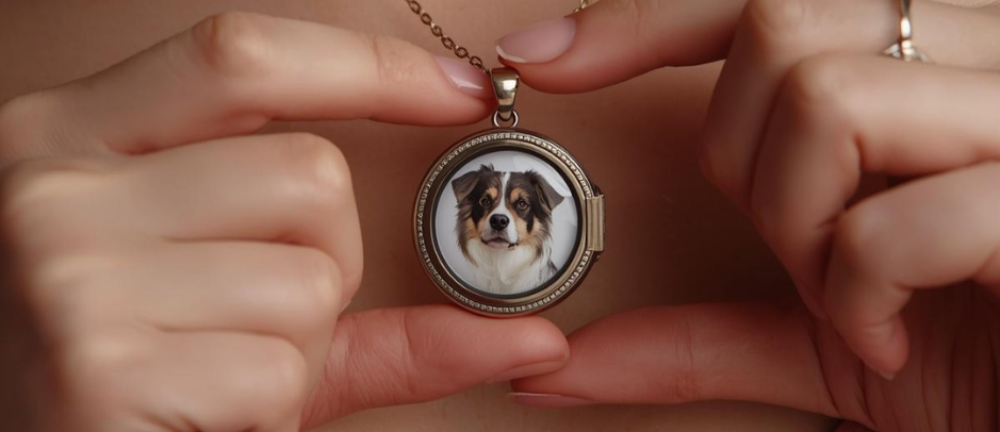
- Honor your bond privately if you need to. Talking to your pet, writing to them, keeping a photo or keepsake. These acts are meaningful, even if no one else sees them.
Your love will not disappear.
Love doesn’t vanish when someone we love dies, especially a bond like the one you shared with your pet. What does change over time is the sharpness of the pain. And sometimes, when the pain softens even a little, our minds get scared and whisper, “Does this mean I’m forgetting? Does this mean the love is fading?” It isn’t.
Love isn’t measured by how much it hurts.
Right now, grief may feel like the last thread connecting you to your pet, so the idea of it easing can feel terrifying—like losing them all over again. But what usually happens is this:
- The ache slowly becomes warmth
- The tears slowly make room for smiles
- The love stays, just in a quieter, steadier form
You won’t wake up one day and stop loving them. Your heart doesn’t work that way. The love has already shaped you, your routines, your compassion, your memories. That kind of love becomes part of who you are.
Some people like to:
- Say their pet’s name out loud
- Keep a photo or object that feels like them
- Write down memories so they feel safely “held”
- Talk to their pet when they miss them
These are ways of honoring a bond that continues, just differently.
And please know this too: healing is not betrayal. Feeling okay again one day won’t mean your love is gone. It will mean your heart has learned how to carry it more gently.